Bathroom Vanity Cabinets and Austin Humidity

A vanity is supposed to be the sturdiest cabinet in the house, since it is built to sit beside water. Often the bottom shelf is swollen within three years. The sink is rarely the cause, and austin custom cabinets roger ueths garden covers it in detail: in Austin, TX the damage comes from long hot summers with steam trapped in a small room, and the cabinet bottom absorbs it first.
Where the water actually gets in

The base of the box sits closest to the floor, where a slow supply line drip or a mopped puddle collects. The cut edges around the plumbing cutout are the weak point, because raw mdf and particleboard drink water through an unsealed hole. Sealing those edges with a brushed coat of finish or a bead of sealant before the sink goes in is a five minute step that decides whether the box lasts.
Box materials compared
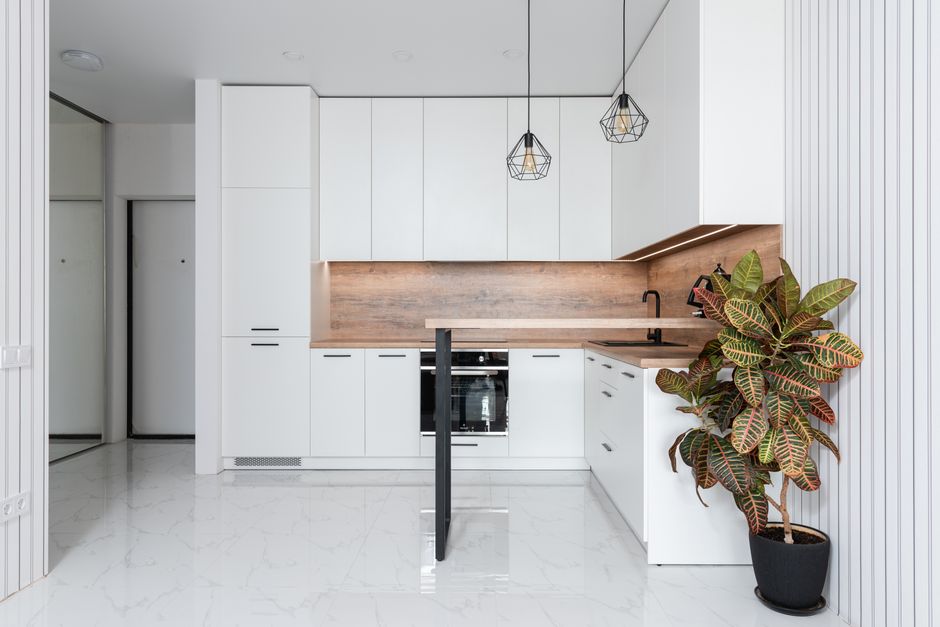
A plywood box with a birch veneer handles moisture better than mdf, and exterior glue plywood does better again. Melamine sides resist surface water, but an edge with chipped banding lets the core swell. Thermofoil doors can peel when a hot shower pushes steam against the face for years. A solid hardwood door in maple or oak moves with the seasons but does not delaminate.
Finishes and hardware
A catalyzed conversion varnish or a two part finish seals better than a single coat of lacquer. Finish goes on the inside and the back of the doors as well as the face, so the wood takes moisture evenly and does not cup. A euro hinge in a plated or stainless finish outlasts bare steel in a steamy room, and a soft close drawer slide keeps drawers from slamming against a warped frame.
Ventilation matters as much as the box
An exhaust fan that vents outside and runs ten minutes after the shower protects a vanity better than any finish. Older bathrooms in Tarrytown and near Zilker sometimes have fans that vent into the attic, which pushes warm damp air back toward the room. Raising the vanity on a toe kick with a gap behind it lets air move under the box, and a floating vanity avoids floor contact entirely. A plastic or stone tray under the sink trap catches small leaks, and checking the supply valves twice a year costs nothing. Most swollen vanities trace back to a drip nobody noticed for months.